England and Argentina set records
By OnzeActu · · 4 min read
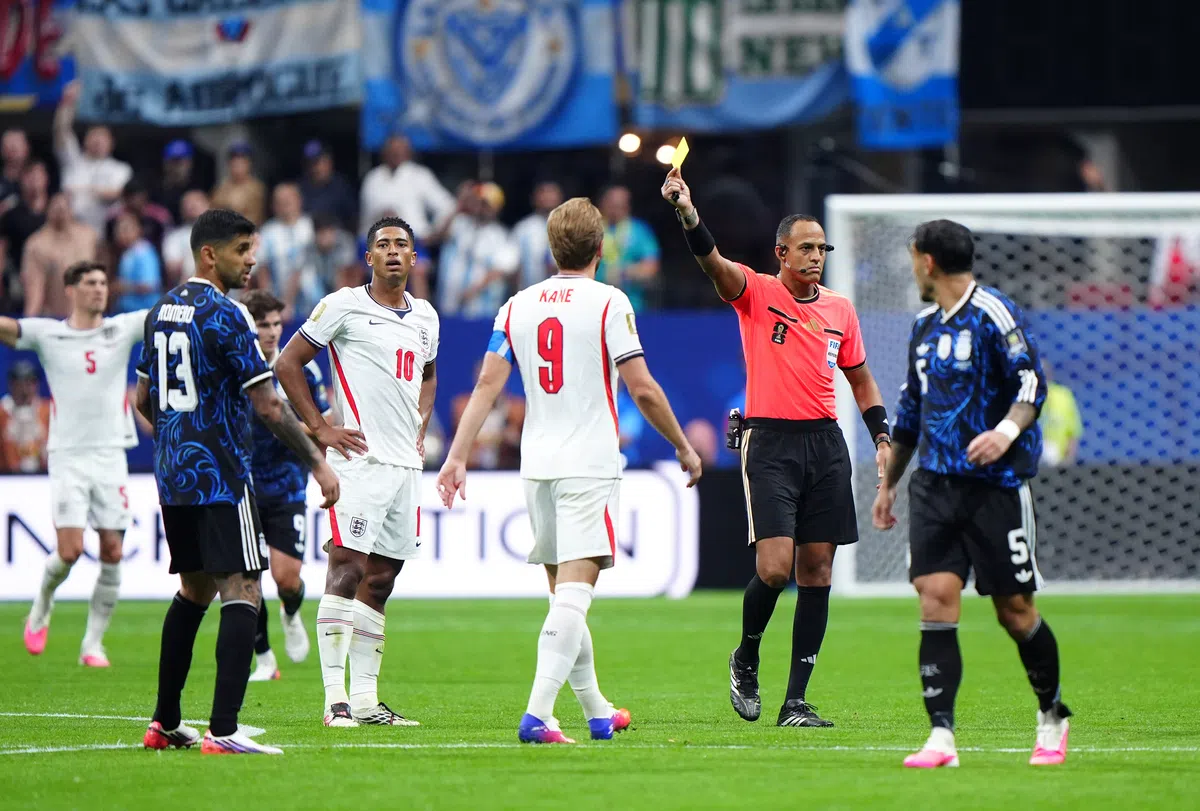
A first half dominated by mistakes and the absence of chances: England and Argentina signed historic figures in terms of attack, according to Opta.
Why it matters
The first half of the semi-final between England and Argentina was marked by historic statistics, according to Opta. This lack of offensive creativity could have repercussions on the rest of the tournament, as both teams hope to qualify for the 2026 World Cup final. Supporters expected a thrilling clash, but were disappointed by the barrenness of the opportunities.
Context
England and Argentina, two football giants, meet in the semi-finals of the 2026 World Cup. Their first half performance, marked by a low number of shots and fouls, raises questions about their ability to perform under pressure. Opta data shows that this match could become a turning point in the history of the World Cup.
Key points
- England and Argentina set records.
- A first half dominated by fouls and the absence of chances: England and Argentina signed historic figures in terms of attack, according to Opta.
- England and Argentina have some rust records.
According to statistics from Opta, which has been collecting data since 1966, it has never taken this long to see the first strike attempted in a World Cup match. The contrast is all the more striking as the physical spectacle was very present: the teams multiplied the duels and interruptions, with no less than nineteen fouls called before the break.
On a purely offensive level, the results are very meager. England and Argentina combined for just three shots in the first half, the lowest total of this World Cup so far. This lack of chances was also reflected in the expected goals (xG): both nations only generated 0.08 xG before half-time. In the knockout phase of a World Cup, this is a record mark since this indicator has been monitored by Opta.
Image
These figures reflect a locked meeting, with limited initiative and numerous mistakes disrupting attempts to build. Rather than taking offensive risks, both camps favored caution, slowing down the fluidity of attacks and the creation of clear situations in front of the goals.
For spectators and observers, these statistics reveal the level of balance between the two teams and the challenge specific to a semi-final: the fear of conceding a goal can sometimes prevail over offensive ambition. The second half now appears to be the real key to the match; we will then have to hope for more audacity and space to escape this statistical grayness.
On a historical level, these elements will enter the tournament archives: slowness for the first shot, minimal total shots and combined xG defying previous Opta records, all indications of the tension and nervousness which marked this first half in Atlanta.
Frequently asked questions
What happened in the semi-final between England and Argentina?
The semi-final was marked by a first period without real chances, with only three shots combined and a record time before the first shot.
Who confirmed the team performance statistics?
The statistics were provided by Opta, which has been collecting football data since 1966.
Why was this match so weak?
Both teams favored caution, which limited offensive initiatives and led to numerous fouls.
What changes have been observed in the teams' playing style?
The teams opted for a more defensive game, with fewer offensive risks, which slowed down the fluidity of the attacks.
What records were set during this first period?
This is the first time it took more than thirty minutes to see the first strike in a World Cup match, and the total of 0.08 xG is a record for the knockout stage.