Dzyuba: “In Russia, to a Messi we would say ‘Thank you, hobbit’”
By OnzeActu · · 5 min read
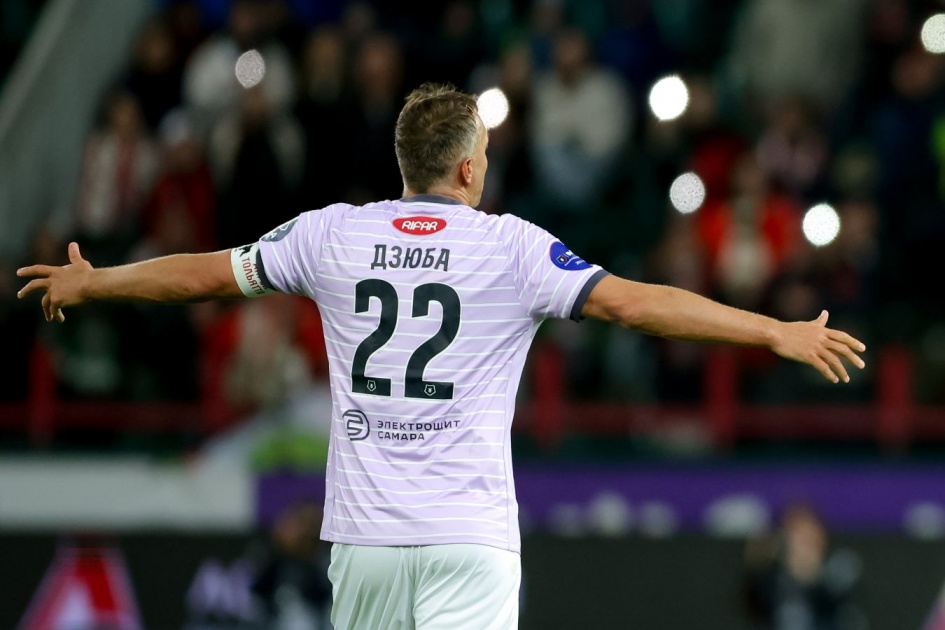
Artem Dzyuba criticizes the preparation of young people in Russia and proposes the creation of structures like “Spartak-2” and “Spartak-3”, the elimination of results before 15-16 years of age and a less elitist policy to avoid losing early talents.
Why it matters
Artem Dzyuba's comments highlight the shortcomings of the youth training system in RPL football. By criticizing early selection, he highlights a problem that could affect the future quality of players in Russia. The need for structures like 'Spartak-2' and 'Spartak-3' could transform the way talent is developed in the country.
Context
Artem Dzyuba, former Russian international and emblematic figure of RPL football, pleads for a reform of the youth training system. His experience and status in Russian football give him legitimacy to criticize current practices and propose beneficial changes for the future of sport in Russia.
Key points
- Dzyuba: “In Russia, to a Messi we would say ‘Thank you, hobbit’”.
- Artem Dzyuba criticizes the preparation of young people in Russia and proposes the creation of structures like “Spartak-2” and “Spartak-3”, the elimination of results before 15-16 years of age and a less elitist policy to avoid losing early talents.
- Дзюба: в России такому, как Месси, сказали бы: «Спасибо, хоббит» - Чемпионат.
“We eliminate too much at 10-11 years,” says Dzyuba, according to the report. For the former Russian international, the early sorting deprives the national system of players who could assert themselves later if given time. He goes so far as to use a shocking image to illustrate the phenomenon: “To someone like Messi we would say: ‘Thank you, hobbit’”. This formula reflects, according to him, the drift of an environment which does not know how to protect or encourage the growth of small sizes or atypical profiles.
Dzyuba also pleads for the removal of the obsession with results among young people up to 15-16 years old, like certain European practices. “I would suppress the result until 15-16 years old, like in Europe,” he says: the idea is to favor technical and physical development rather than immediate victories. He points to another perverse mechanism: coaches who have financial bonuses and who, to obtain them, often field the same team all season, to the detriment of rotation and overall progression of the squad.
Image
“Let the footballers improve. When the body is trained, then we introduce adjustments,” continues Dzyuba. He observes a paradox: young Russian selections sometimes dominate their European counterparts until 15-16 years old, but the dynamic then reverses. For him, the dropout can be explained by a selection and training policy that was too early and too focused on results.
These remarks are part of a broader diagnosis of the Russian training sector. Without proposing a detailed implementation plan, Dzyuba puts forward concrete levers: increasing the number of reserve teams to give playing time, removing the pressure for results among the under-16s and reviewing the incentive systems for coaches in order to encourage training rather than short-term victory.
The comments were reported by Ilia Nikulnikov for Championat. Whatever the solutions adopted, the debate around youth training remains central to the future of Russian football and raises relevant questions for all countries faced with the dilemma between training and immediate performance.
 Image
Image
The rest
Dzyuba calls for significant reforms in youth training, which could influence RPL club policies in the future. If his suggestions are taken into account, it could improve player development and, therefore, the level of competition in the RPL. Discussions around these proposals could also spark a broader debate on youth training in Russia.
Frequently asked questions
What is the main topic of Artem Dzyuba's interview?
Dzyuba addresses the training of young footballers in Russia and criticizes the system which eliminates potential talents too early.
What changes does Dzyuba propose for the training of young people in Russia?
He proposes creating additional reserve teams and putting an end to the drastic selection of children.
How does Dzyuba describe the attitude towards small players in Russian football?
He uses the example of Messi to illustrate that small people are not sufficiently protected or encouraged.
What is Dzyuba's position on the obsession with results among young footballers?
He pleads for the suppression of this obsession until the age of 15-16, by promoting technical and physical development.
Who reported Artem Dzyuba's comments?
Dzyuba's remarks were reported by the Championat correspondent,
Ilia Nikulnikov.