Football in Southeast Asia: the rise of players
By OnzeActu · · 6 min read
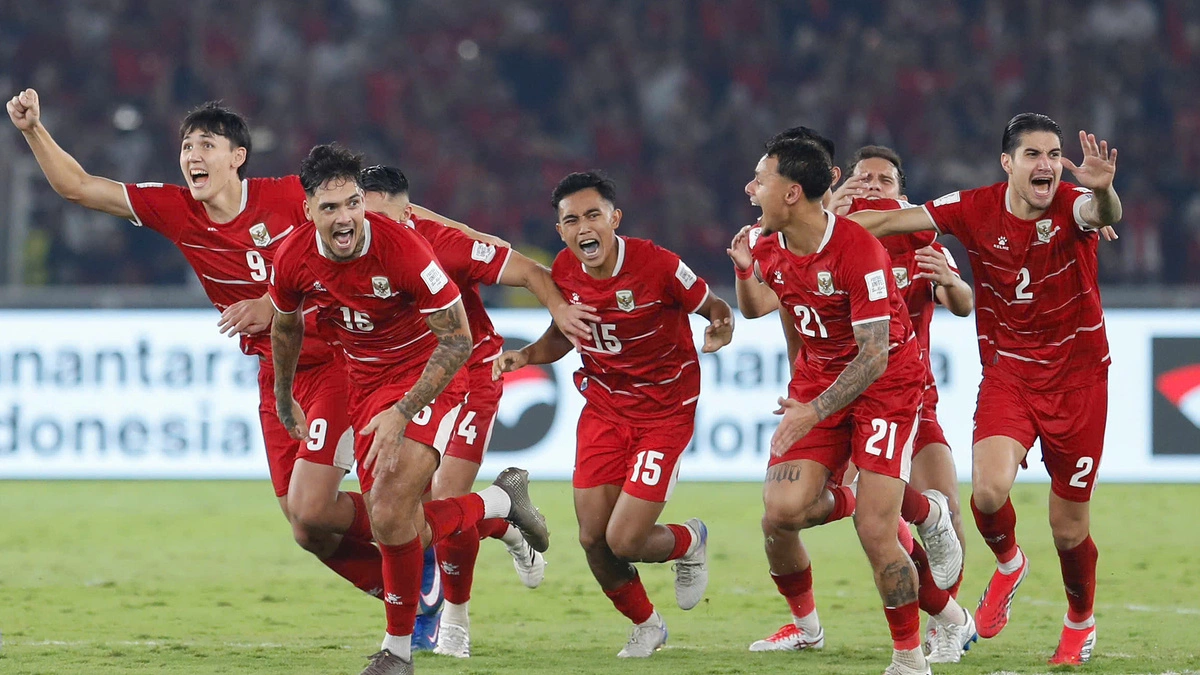
Ajitpal Singh, Malaysian football specialist, is sounding the alarm on the growing tendency to use naturalized players in the national teams of South-East Asia during the FIFA ASEAN Cup 2026. According to him, this development endangers the own identity of these teams and questions the local development of football.
Why it matters
The rise of naturalized players in South East Asian national teams raises concerns about cultural identity and team cohesion at the 2026 FIFA ASEAN Cup. Ajitpal Singh highlights the risk of these teams becoming 'international teams', distancing the public from attachment to local players and the authenticity of indigenous football. This dynamic could also influence the development of local training systems, already considered insufficient.
Context
Malaysian football expert Ajitpal Singh criticizes the growing trend of recruiting naturalized players into the region's national teams. With the Philippines, Indonesia and Malaysia having significant numbers of naturalized players, Singh warns of the impact on local football identity and culture, emphasizing the need to improve training systems to nurture local talent.
Key points
- Football in Southeast Asia: the rise of players.
- Ajitpal Singh, Malaysian football specialist, sounds the alarm about the growing trend of using naturalized players in South-East Asian national teams during the 2026 FIFA ASEAN Cup.
- Chuyên gia Malaysia: 'Các đội tuyển Đông Nam Á nguy cơ mất dần bản sắc'.
During the tournament, all the major teams – Philippines, Indonesia, Malaysia, Vietnam, Singapore and Thailand – fielded players from diverse origins. The Philippines leads with 19 naturalized players, followed closely by Indonesia (18), Malaysia (9), Vietnam (5), then Singapore and Thailand (3). Some of these players have no direct ancestry with the country they represent, thus accentuating the debate on the sporting and identity legitimacy of these choices.
Ajitpal Singh compares this situation to that of France or Morocco, whose diversity comes from a history of immigration and a solid pool of national training. According to him, in Southeast Asia, the use of players from abroad mainly compensates for the inadequacies of local training systems. Singh warns that such a dynamic risks weakening public attachment to national teams, which become true “international selections” and no longer a reflection of indigenous football.
Image
This phenomenon gives rise to reflection within regional federations, such as those of Malaysia, Indonesia and Vietnam, which often present it as a temporary solution. Malaysian parliamentarians even raised the issue in the Assembly, pointing out the risk of excessive dependence.
Some local football figures, like Richard Scully, nevertheless consider that the presence of naturalized players elevates the competition, forcing local talent to progress and contributing to the spectacle. The example of the striker Bergson, a Brazilian naturalized Malaysian, illustrates the offensive advantages but raises questions of identification for supporters who see a player, certainly effective, representing their country without having the history.
The question of balance remains crucial: should we prioritize the development of local youth or continue to strengthen the level through external contributions? Thailand strictly limits these recruitments, while Singapore and the Philippines encourage them. Vietnam, for its part, advocates a measured approach, integrating naturalized profiles only when they bring real added value to positions in difficulty.
Ultimately, the FIFA ASEAN Cup 2026 reveals a profound problem: how can the nations of Southeast Asia progress without losing their own identity? The response will have to go, according to experts, through a subtle balance between openness and promotion of local training.
The rest
As the FIFA ASEAN Cup 2026 approaches, it is likely that the debate over the use of naturalized players will continue to intensify. Football federations in participating countries, such as Malaysia and Indonesia, may need to reassess their recruitment and training strategies to strengthen national identity. Team performances during the tournament could also influence public opinion on this sensitive issue.
Frequently asked questions
What phenomenon is highlighted by the FIFA ASEAN Cup 2026?
The FIFA ASEAN Cup 2026 highlights the increase in the number of naturalized players in Southeast Asian national teams.
Who has expressed concerns about naturalized players?
Malaysian specialist Ajitpal Singh has expressed concerns about the impact of naturalized players on the specificity and cultural cohesion of national teams.
Why does this trend of naturalized players raise questions?
This trend raises questions because some naturalized players have no ace
direct ancestry with the country they represent, which raises questions about sporting and identity legitimacy.
Which teams field naturalized players during the tournament?
Teams fielding naturalized players in the tournament include the Philippines, Indonesia, Malaysia, Vietnam, Singapore and Thailand.
What changes are envisaged by the regional federations in the face of this phenomenon?
Regional federations, such as those of Malaysia, Indonesia and Vietnam, often present the use of naturalized players as a temporary solution.