La Masia de Leo: Messi sets out on his own and creates a
By OnzeActu · · 5 min read
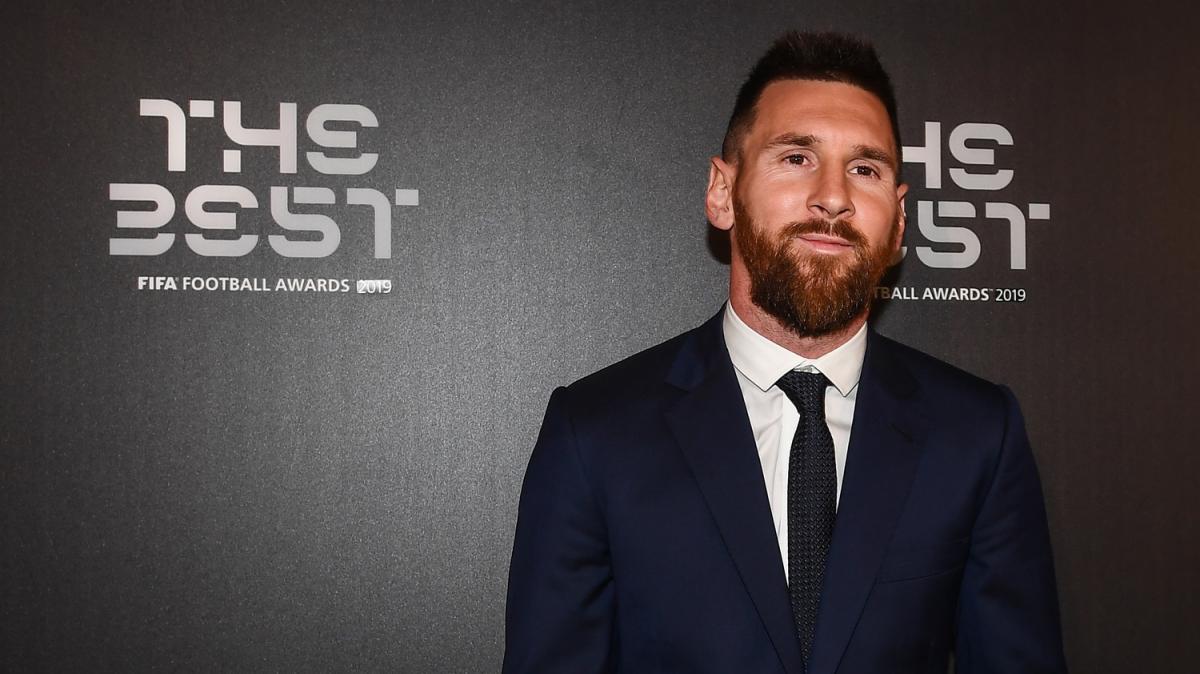
After purchasing UE Cornellà, Lionel Messi continued his project in Spain by buying Deportivo Eldense. The stated objective: to build a network of clubs and academies to train young talents, relying on local structures such as those of Cornellà and Elda.
Why it matters
The acquisition of Club Deportivo Eldense by Lionel Messi marks a significant turning point in the Spanish football landscape. By investing in Segunda División clubs, Messi is not only strengthening his presence in Spain, but he is also committed to developing a training network for young talents, inspired by La Masia. This project could transform the way football is played at this level, with a focus on local development.
Context
Club Deportivo Eldense, founded in 1921, has recently enjoyed a remarkable rise in Spanish professional football. By joining the Segunda División, the club faces significant sporting challenges, but with the support of Messi, it could benefit from a new dynamic. Messi's involvement in the club could also bring attention to football in the Elda region, increasing its appeal and competitiveness.
Key points
- La Masia de Leo: Messi sets out on his own and creates one.
- After the purchase of UE Cornellà, Lionel Messi continues his project in Spain by buying Deportivo Eldense.
- La Masia di Leo, Messi took ownership and created the talent factory of Cornellà and Elda.
The acquisition of Eldense takes on the appearance of a romantic road map: a century-old club, founded in 1921, Elda and his club have experienced a remarkable rise in recent seasons, with a historic rise in Spanish professional football. The immediate challenge is sporting: maintaining the category in Segunda División – described in some media as the “Silver League” – in a championship renowned for being competitive and ruthless.
But the issue goes beyond the result on the field. Messi, who had invested massively in Cornellà (according to public information, he acquired 85% of the club) wants to structure a real training sector inspired in part by the legendary La Masia of FC Barcelona. The plan aims to connect grassroots football to professional football, strengthening academies and infrastructure, and creating a strategic axis between Cornellà and Elda to detect and develop talent.
Image
Elda, a small town of around 55,000 inhabitants nestled in the Vinalopó valley and renowned for its shoe industry, suddenly discovers global visibility. The nerve center of this local project is the Estadio Municipal Nuevo Pepico Amat, inaugurated in 2012: an intimate stadium with 5,776 seats, with a loyal audience (more than 3,500 subscribers) and a natural lawn classified as two FIFA stars. It is in this human-sized framework that the arrival of Messi can transform both the image and the resources of the club.
The media effect is immediate: interest from international brands, digital spinoffs and discussions in the Spanish and Argentine press. In Barcelona, the rise of Cornellà had already caused some tensions with more traditional local clubs. In Elda, the municipality quickly showed its openness, discussing possible collaborations to modernize infrastructure and support grassroots football.
In Argentina, the media read this strategy as thoughtful preparation for the post-career life of Messi, who is said to maintain close ties with Spain and is considering a return to Castelldefels once his career is over. The project also includes international partnerships - notably in Uruguay, with collaborations mentioned with Luis Suárez and the Leones de Rosario family club - which gives the whole thing a transcontinental dimension.
Concretely, for Eldense, the priority remains sporting: ensuring maintenance. But under the aegis of Messi, the small Valencian town can now dream bigger: transformation of structures, increased commercial attractiveness and, ultimately, a training chain likely to attract young talents wishing to progress within a network designed to support them towards professionalism.
The rest
With the purchase of Eldense, Messi is expected to set up infrastructures and academies which will allow the detection and training of new talents. The immediate objective will be to keep the club in the Segunda División, while establishing a strategic link with UE Cornellà. Next steps will likely include investments in infrastructure and the recruitment of technical staff to support this long-term vision.
Frequently asked questions
What happened with Lionel Messi recently?
Lionel Messi has officially bought Club Deportivo Eldense and has already taken control of part of UE Cornellà.
Who confirmed Messi's purchase of Club Deportivo Eldense?
The operation was revealed in the specialized press.
Why is Lionel Messi now investing in Spanish football?
Messi wants to promote Spain as the basis of his post-career project and strengthen training academies.
What changes does Messi plan for
r Club Deportivo Eldense?
He wants to structure a training sector inspired by La Masia of FC Barcelona and strengthen the infrastructure.
What is the immediate objective for Club Deportivo Eldense in Segunda División?
The objective is to maintain the category in Segunda División, a championship known to be competitive.