The ordeal of Nobby Stiles: the repeated heads at the origin of his
By OnzeActu · · 6 min read

The inquest into the death of Nobby Stiles, English football icon and 1966 World Cup winner, has established that his serious brain problems were linked to multiple headers during his career. His family is calling for better support for former players.
According to Bbc.
Context
Nobby Stiles, emblematic figure of Manchester United and the England team, made football history with his contribution to victory in the World Cup. His career, marked by nearly 400 matches with Manchester United and 28 caps with England, illustrates not only his talent, but also the physical sacrifices that players make for the sport. His brain disease, caused by years of repeated headers, is a reminder of the importance of former players' health in modern football.
Why it matters
The case of Nobby Stiles highlights the often overlooked dangers of football, including the long-term effects of repeated headers on players' health. As a 1966 world champion with England, his story raises crucial questions about player safety and the need for better care of former footballers. Stiles' family is calling for reform to protect future generations, highlighting the importance of mental and physical health in sport.
Key points
- The ordeal of Nobby Stiles: the repeated heads at the origin of his.
- The inquest into the death of Nobby Stiles, English football icon and 1966 World Cup winner, has established that his serious brain problems were linked to multiple headers during his career.
- Nobby Stiles remains central to England's plans.
English football is once again confronted with the painful reality of the after-effects left by the king of sport on its legends. The verdict of the Stockport coroner on the death of Nobby Stiles, 1966 world champion with England, is clear: his brain disease, which took his life in 2020 at the age of 78, is the direct consequence of the thousands of heads made during his professional career.
The Manchester United and England defensive midfielder had been diagnosed with a severe form of dementia, including Alzheimer's disease and chronic traumatic encephalopathy (CTE). Neuropathology expert Dr. Daniel Du Plessis delivered damning scientific testimony to the court: “I am convinced that the high number of heads made by Nobby Stiles is indeed the cause of his CTE. »
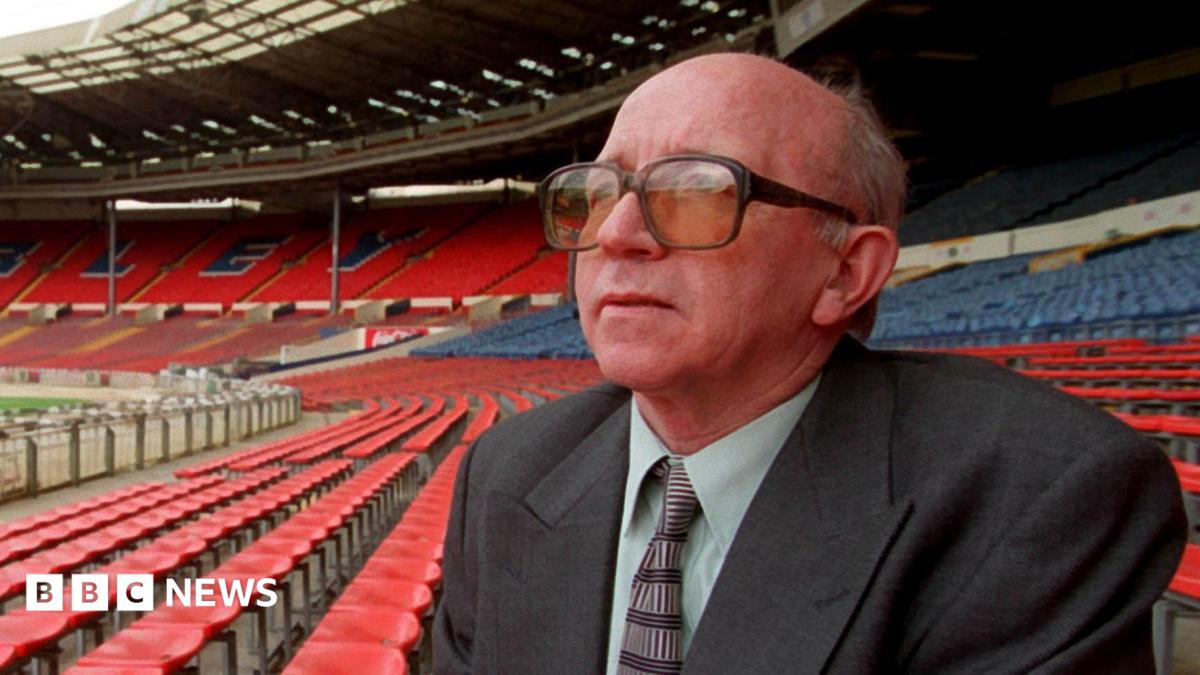
Stiles, a combative player and a key figure in British football, played nearly 400 matches with Manchester United and proudly wore the Three Lions jersey on 28 occasions, notably contributing to the historic conquest of the world title in 1966. His son John recalled during the audience that his father made, even during training, dozens of headers daily, thus contributing to the impressive total of 140,000 headers estimated over his entire career.
 Image
Image
But while leading a peaceful life in Stretford, near Manchester, Nobby Stiles saw his health deteriorate in his late fifties, with the first symptoms of dementia appearing over time. The family, who was initially unaware of the extent of the problem, felt helpless in the face of this long deterioration, until his death in 2020 in a care home.
This case necessarily revives the debate on the exposure of former footballers to the risks of brain damage linked to the repetition of heads and impacts to the head. The Stiles family is campaigning for better recognition and increased management of these dangers by football authorities, while scientific research now confirms a link between the repetition of gestures such as heading and the subsequent appearance of serious neurological disorders.
The coroner concluded that the death was caused mainly by Alzheimer's disease, aggravated by CTE and other neurodegenerative pathologies linked to brain aging, highlighting the complexity of these syndromes in former athletes. The Stiles case, deemed “exemplary and tragic”, should push the authorities to strengthen prevention and provide more support to exposed players, in the hope of better protecting future generations.
The rest
Following this verdict, it is likely that discussions around player safety in football will intensify. Football authorities, including those at the World Cup, may be pushed to review their protocols regarding brain injuries. Awareness campaigns on the risks associated with heading in football could also gain importance, prompting changes in the training and practices of young players.
Frequently asked questions
Who was Nobby Stiles?
Nobby Stiles was an English defensive midfielder, famous for being a world champion in 1966 with England and for his career with Manchester United.
What illness was Nobby Stiles diagnosed with?
Nobby Stiles was diagnosed with a severe form of dementia, including Alzheimer's disease and chronic traumatic encephalopathy (CTE).
What was the coroner's verdict regarding Nobby Stiles' illness?
p>The coroner concluded that Nobby Stiles' brain disease was a direct result of the thousands of heads made during his professional career.
How many headers would Nobby Stiles have made during his career?
It is estimated that Nobby Stiles made approximately 140,000 heads during his career.
What role did Nobby Stiles play in the England national team?
Nobby Stiles played for the Three Lions 28 times and helped England win the 1966 World Cup.
Related Articles
Frequently asked questions
📰Related articles
- The curse of the Ballon d'Or strikes again: Dembélé fails as
- Denis Kazanski: Spain, forgotten elephant in the World Cup scenario
- England: Harry Kane refutes any division before the semi-final of
- France - Spain: everything you need to know about the Cup semi-final
- Merino crucifies Portugal in the 91st minute: Spain takes
- Alleged 'time traveler' announces finalist and champion
- France - Spain: where to watch the semi-final of the 2026 World Cup,
- The highlights of the 2026 World Cup on July 16: Argentina in
- Wayne Rooney criticizes Thomas Tuchel's tactical choices after
- Manuel Ugarte successfully operated on after ligament injury
- Klopp defends Thomas Tuchel after England defeat to
- Spain - Belgium: Fabián Ruiz opens the scoring in the 30th minute