Trends from the 2026 World Cup: what worked during this tournament
By OnzeActu · · 6 min read
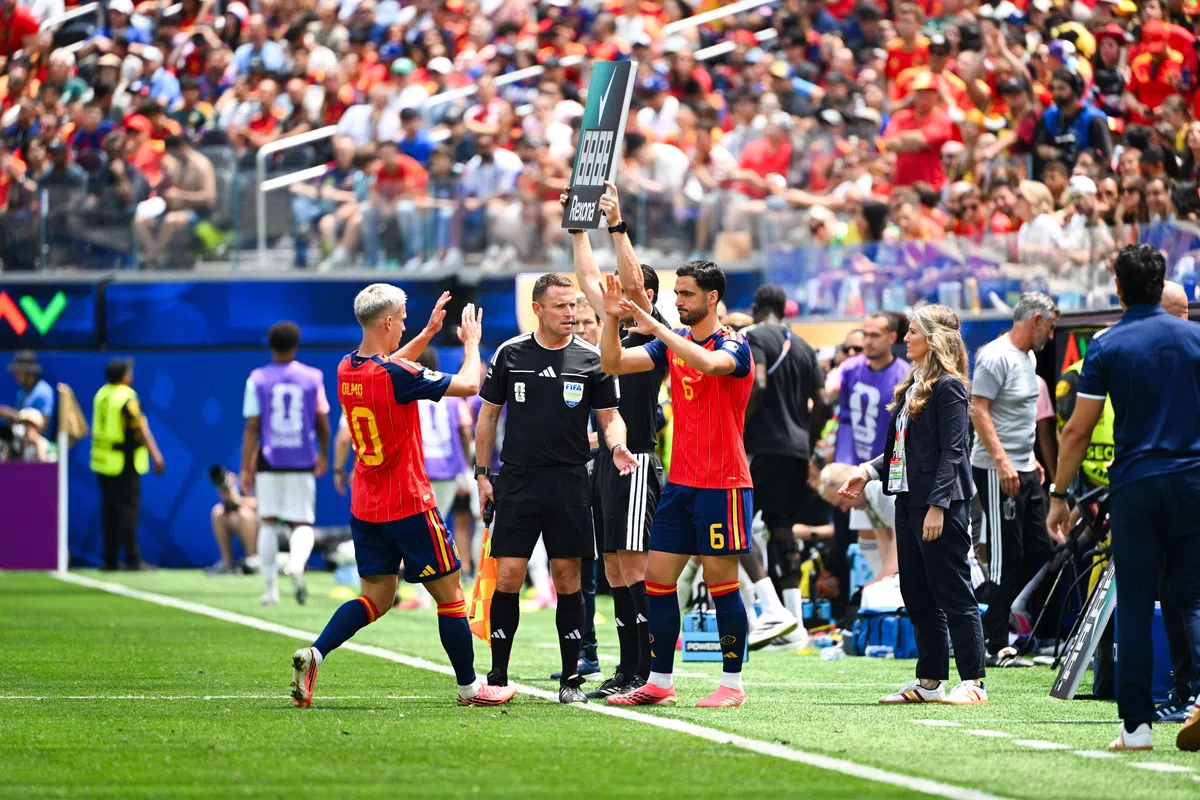
The 2026 World Cup, organized in the United States, Mexico and Canada, highlighted the comeback of teams controlling the ball while relying on offensive play inspired by the famous Spanish school. This change in style marks a break with previous editions, where counter-attacking football seemed to dominate.
According to Vi.
Context
La Roja, who have seen a decline after their past successes, will need to reassess their approach for the 2026 World Cup. Lessons learned from early eliminations in 2018 and 2022 could inspire the team to return to their possession roots while incorporating elements of tactical boldness to compete with teams like the Netherlands.
Why it matters
The 2026 World Cup highlighted the growing importance of controlling the game through possession, an approach reminiscent of the Spanish style of play dominant between 2008 and 2012. The final between Lionel Scaloni and Luis de la Fuente highlights a tactical evolution where daring and control of the ball have become essential for success. This trend could influence the strategies of clubs and national teams in the run-up to the next World Cup.
Key points
- Trends from the 2026 World Cup: what worked during this tournament.
- The 2026 World Cup, organized in the United States, Mexico and Canada, highlighted the strong comeback of teams controlling the ball while relying on attacking play inspired by the famous Spanish school.
- De trends van het WK 2026: wat dit toernooi werkte.
The 2026 FIFA World Cup revealed a clear trend: teams capable of dictating the tempo of the game through possession of the ball have largely marked their domination. The final between Lionel Scaloni, coach of Argentina, and Luis de la Fuente, coach of Spain, both trained in the famous Spanish school of positional play, symbolizes this profound evolution of world football. This edition showed that tactical audacity and control of the ball could pay off big.
To understand this development, we have to go back twelve years, when Louis van Gaal managed to thwart the Spanish style in the group stage of the 2014 World Cup. At the time, La Roja dominated world football between 2008 and 2012, winning three major tournaments in a row thanks to football based on stifling possession. Van Gaal, by adopting a 5-3-2 system, had spotted the flaws in the Spanish style: attacking full-backs left spaces brilliantly exploited by Arjen Robben and Robin van Persie, for a clear 5-1 victory for Holland against Spain.
Image
However, this Spanish supremacy was eroded. During the 2018 and 2022 editions, La Roja was eliminated in the round of 16 despite possession scores often exceeding 75%. These defeats against teams that are sometimes less dominant in the game illustrate the reduction in the correlation between possession and success. In fact, from 2006 to 2022, at several World Cups, the counterattack game has often won the decision, with Didier Deschamps' France in the lead, reaching two finals with the speed of Kylian Mbappé as its main weapon.
The 2026 World Cup showed a new tactical reality: ball control combined with risky and varied offensive play paid off. Teams that dared to impose their style from possession found success on the big international stage, marking a break with recent times when pragmatism and reaction were king. This dynamic perfectly illustrates the link found between constructed play and performance, a lesson which could influence the preparation and tactical choices in the Nations League and for the qualifying phase of the next World Cup.
This analysis of the three key factors of the tournament, based on ball control, tactical audacity and offensive agility, underlines the importance of positioning and technical mastery, pillars of the famous Spanish school. This development is an encouragement for selectors and clubs to favor a style that is both prestigious and effective, combining possession and strategic flexibility.
The rest
As the 2026 World Cup approaches, teams will need to adapt their tactics to take advantage of this new dynamic. La Roja, after disappointing performances in previous editions, will seek to regain their status based on an effective possession game. Coaches will also need to prepare to counter strategies based on counter-attacking, such as those that have been effective in the past.
Frequently asked questions
What was the score of the match between La Roja and Nederland?
The article does not provide information on the score of the match between La Roja and Nederland.
How did the match between La Roja and Nederland impact the 2026 World Cup rankings?
The article does not mention the specific impact of the match between La Roja and Nederland on the 2026 World Cup rankings.
What is La Roja's next match in the 2026 World Cup?
The article does not provide information on La Roja's next match in the 2026 World Cup.
Who are the coaches mentioned
in the article concerning the 2026 World Cup?
The coaches mentioned are Lionel Scaloni for Argentina and Luis de la Fuente for Spain.
What trends were observed during the 2026 World Cup?
The 2026 World Cup revealed that teams who controlled possession of the ball dominated, illustrating a tactical evolution in world football.
Related Articles
Frequently asked questions
📰Related articles
- 2026 World Cup: FIFA imposes its law on prices,
- France – England: history and statistics of the confrontations
- Spain - Belgium: Fabián Ruiz opens the scoring in the 30th minute
- After his record, Mbappé gives up the fight against Messi
- At the World Cup final, Pedro present with the 2010 medal: “I
- Trump booed after handing over World Cup trophy
- Spain – Argentina: Dmitri Guberniev’s analysis after the final
- The last of Leo in tears: Messi loses his crown, 0 shots in 90
- Official: Bologna offers Rahim Alhassane to Real Oviedo for €3.5 million
- York sign Fulham goalkeeper Alfie McNally on season-long loan
- 2026 World Cup: Kylian Mbappé leads the race for the Shoe
- Cup title at stake! Spain and Argentina unveil their eleven
- Alexandr Grishin names Erling Haaland as the best striker in the
- 2026 World Cup: the refugee stars of the tournament
- Mbappé: “We knew how to play hard” to destabilize Paraguay