2026 World Cup: Scotland conquers its first round of 16
By OnzeActu · · 3 min read

Scotland, qualified for its first World Cup since 1998, is approaching the 2026 World Cup with the hope of finally passing the milestone of the group stages which it has never crossed in 13 participations. Supported by a united group and executives like John McGinn and Scott McTominay, the selection led by Steve Clarke dreams of history against a group within its reach, notably including Haiti, an affordable first opponent.
Scotland arrives at the 2026 World Cup with a clear ambition: to reach the round of 16 of a major international tournament for the first time in its history. A stage so far unattainable despite twelve participations in European Championships or World Cups, with only 17% victories out of 35 matches played and a last victory in a major tournament dating back to Euro 1996.
With the extension of the competition, introducing a knockout phase after the group phase (a final four of 32), the Scots see a unique opportunity to create the feat. Their group offers a first match considered very affordable against Haiti, ranked 83rd worldwide, before facing Morocco and Brazil.
The Scottish team stands out for its solidity, aggressiveness and remarkable cohesion, fueled by a group attached to its camaraderie. Coach Steve Clarke, renewed in May, embodies this stability essential to the proper functioning of the selection.
Midfielders John McGinn and Scott McTominay play crucial roles. McGinn has shone this season at Aston Villa with his best campaign in terms of goals and assists, while McTominay, crowned best player in Serie A 2024-25, displays spectacular digital influence with 15 direct goal involvements since 2023 for Scotland. Striker Lawrence Shankland, in good form with 21 more goals than his competitors in the Scottish league over the last two seasons, could meet the offensive needs of the selection.
However, the Scots have some weaknesses linked to lack of depth. Arsenal injured in the long term, right-back Aaron Hickey is little used at the club (only 92 minutes played since February), and goalkeeper Craig Gordon, 43, is likely to be started, despite less experienced or poorly aligned alternatives at the club like Liam Kelly or Angus Gunn. In defense, Clarke could rethink his strategy and opt for a five-man defense against tougher opponents, with Celtic's Kieran Tierney repositioned in the middle.
 Image
Image
Steve Clarke is a symbol of longevity and success on the Scottish bench, leading the 'Tartan Army' for the third consecutive time in a major championship, a national record. He is also the first Scottish manager to qualify his team for two consecutive Euros and a World Cup since Craig Brown in 1998.
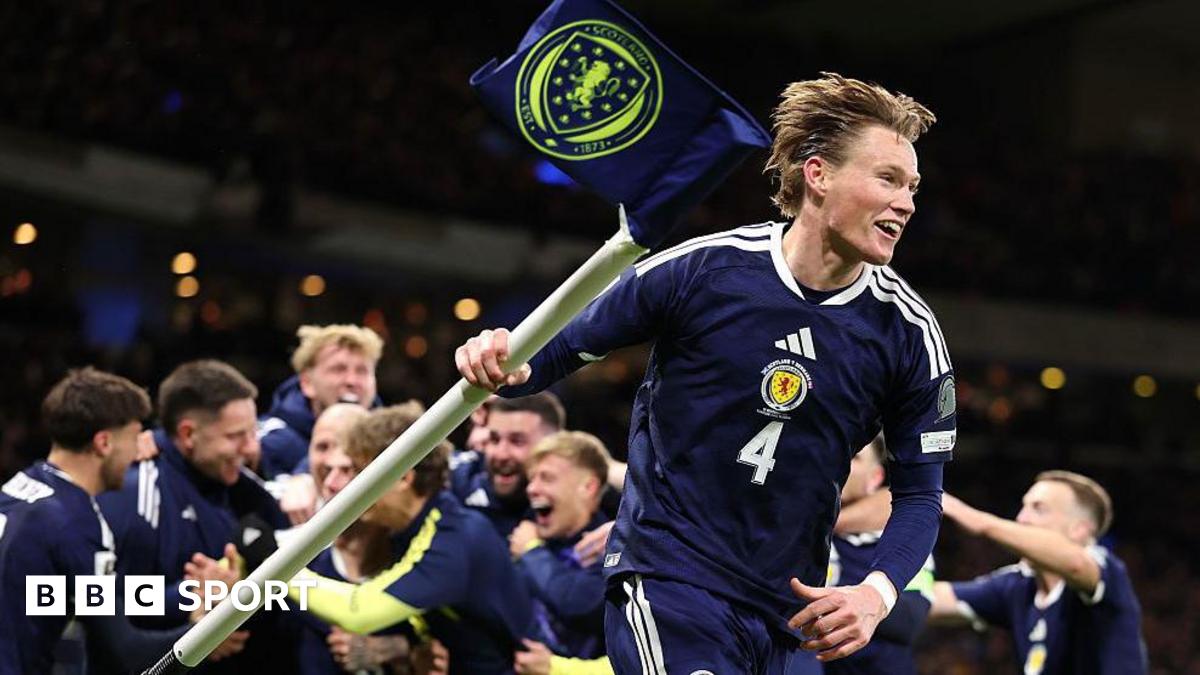
Qualification was snatched away in spectacular fashion in the last match against Denmark, with a hat-trick of exceptional gestures: a scissor kick from McTominay in the 3rd minute, a long-range strike from Tierney at the end of the match and a goal from the central circle by Kenny McClean in stoppage time. This memorable evening at Hampden Park remains engraved as one of the greatest moments in the history of Scottish football.
Scotland, which still has to convince on the international scene in major events – no victory was recorded at Euros 2020 and 2024 – therefore has a major challenge ahead of it. The first match against Haiti could prove decisive in considering the first historic qualification in the round of 16, before welcoming Morocco and Brazil, strong but achievable opponents in this context.
To follow all of Scotland's matches, BBC Sport provides comprehensive live coverage with analysis and reaction, an interactive experience not to be missed for Scottish fans and football enthusiasts.