Why Ekhator is a "last minute" move: this summer, planning is impossible and haste pushes Ramos to overpay...
By OnzeActu · · 2 min read
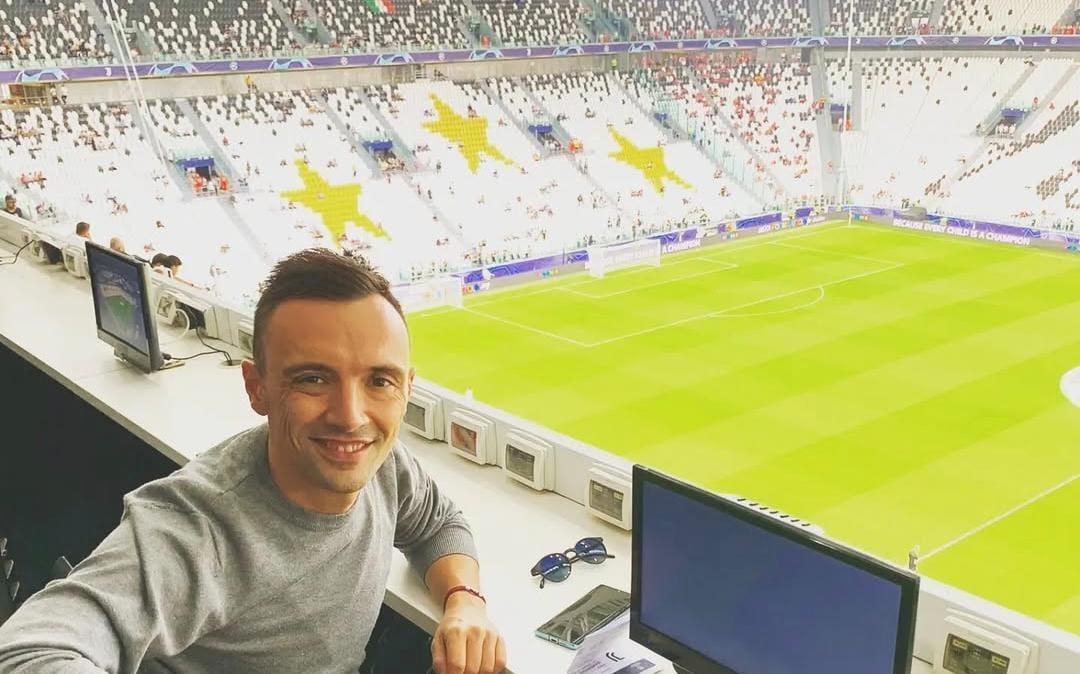
The transfer of Jeff Ekhator to Juventus illustrates a summer transfer window marked by urgency: Genoa, driven by its accounts as of June 30, must sell quickly. The delay in planning and the global effect favor last minute operations and excessive amounts - some even cite more than 70 million for Gonçalo Ramos - while those who bet on young people hold their ground.
Necessity and virtue. The Jeff Ekhator file, concluded in an emergency between Juventus and Genoa, is not so much an anticipated “coup” as an ability to seize an opportunity at the last moment. For Grifone, the balance sheet as of June 30 created the need — and sometimes the obligation — to find a significant sale quickly.
The World Cup, far from helping, lengthens the deadlines: the markets are expanding, the clubs are waiting to see who will explode sportingly and economically. Athletic directors normally plan their plans as early as November, fine-tune scouting over the winter and arrive in the spring with a clear vision of which avenues to activate. This year, many teams have only really structured their transfer offices in recent weeks, forcing them to make up for lost time.
However, haste has a cost. Being overwhelmed by urgency and immediate needs leads to overpaying in the market. Some even mention extravagant figures - we are talking, for example, of more than 70 million for Gonçalo Ramos to Milan - illustrating the risk of buying under pressure rather than according to a considered strategy.
Image
The Premier League remains the best example of high salaries and transfers: Matheus Fernandes at Tottenham, Elliot Anderson at Manchester City and Marco Palestra at Chelsea have recently been cited as illustrations of short but expensive moves. For these clubs, these expenses often fall within different financial parameters, but they feed the feeling of a transfer window where money dictates the tempo.
However, it’s not all improvisation or waste. The animation of the market also allows virtuous models to develop: let us praise the auctions for talents like Mattia Liberali, welcome the arrival of Ekhator at nineteen, and applaud the targeted and measured movements. Leaders like the Percassi family, who reinvest a modest but decisive budget – more than 4 million for Diego Perillo and Francesco Olivieri (born in 2009 and 2010) from Empoli – show that it is possible to relaunch projects by betting on youth.
In the end, this transfer window promises to be long and choppy. It highlights two opposing approaches: haste and quick checks on the one hand, patient construction and investment in young people on the other. The teams that succeed will be those that know how to reconcile opportunism and long-term vision.