The sporting revolution in China: pickleball at altitude
By OnzeActu · · 6 min read
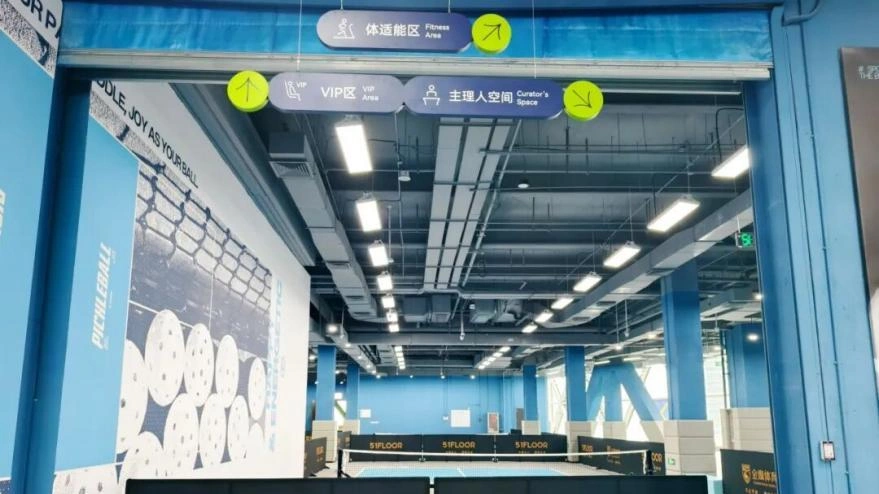
In China, sport is deeply integrated into urban life with innovative facilities and popular competitions attracting millions of spectators. From high pickleball courts to highly successful amateur football events, this evolution reflects a new economic and social dynamic.
According to Vnexpress.
Why it matters
The sporting revolution in China: from pickleball at altitude to millions of spectators in amateur football carries wider implications for the teams, players, and competition context discussed in this report.
Key points
- The sporting revolution in China: pickleball at altitude.
- In China, sport is deeply integrated into urban life with innovative facilities and popular competitions attracting millions of spectators.
- Chuyện từ những sân pickleball trên tầng 51 ở Trung Quốc.
In China, sport is taking place in new forms, combining practice, entertainment and consumption, as evidenced by the success of the pickleball courts located on the 51st floor of a building in Nanjing, or the popular amateur football competitions which attract millions of spectators. This transformation marks a major evolution in the way the Chinese integrate sport into their daily lives.
The emblematic example comes from the metropolis of Nanjing where, at the top of the Golden Eagle World building, a 12,000 m² sports space was created, inaugurated in May 2026. Eleven pickleball courts meeting international standards are installed there, accompanied by an indoor golf course, a fitness center and recovery areas. The uniqueness of the site lies in its height: from the 51st floor, athletes can admire a spectacular panorama of the city, thus reinforcing the appeal of this installation. This complex also has bars and social spaces, all directly connected to a shopping center via elevator.
This integration of sport in a multifunctional urban setting illustrates a growing phenomenon in China, where sporting activity goes beyond simple fitness practice to encompass a social and leisure dimension. In Chongqing, under a bridge, a multi-purpose space combining sports grounds, a restaurant specializing in hot pot and a motorcycle enthusiasts' club has been set up. In Wuhan, a sports park under a bridge over the Yangtze includes cafes, fast food outlets and shops, offering users the opportunity to combine sport, relaxation and consumption.
These new models meet the evolving expectations of Chinese practitioners, for whom sport is also a social experience and a source of well-being. Activities such as double pickleball, group running or club cycling have become vectors of exchange and collective life, and no longer just gestures of getting back into shape.
As a direct result, the sports equipment market is experiencing notable growth, with spending on high-quality equipment, both for cycling and for outdoor sports such as running, climbing or camping. In 2025, sales of outdoor-related products grew by more than 22% across the country's leading e-commerce platforms.
Furthermore, the growing popularity of amateur competitions generates a considerable economic impact. The amateur football league in Jiangsu province, called “Su Chao”, illustrates this phenomenon. During the 2026 season, it organized 91 matches bringing together more than 3 million live spectators, an increase of almost 25% compared to the previous year. The average attendance per match reached around 33,400 supporters, surpassing 2025 figures.
Image
The organizers are also capitalizing on the creation of hundreds of viewing points in shopping centers, tourist areas and residential neighborhoods, which offer an enriched experience with tastings, shops and cultural events. These events helped to boost the local economy: a merchant in Changzhou reports a three- or four-fold increase in his turnover during large gatherings.
In Guizhou province, more than 3,800 sporting events were organized in the first nine months of 2026, generating an estimated revenue of 4.2 billion yuan. This dynamic is also accompanied by major professional events, such as the China Open tennis tournament in Beijing, whose record attendance and ticket revenues have far exceeded previous editions, reinforcing its tourist attractiveness.
However, experts emphasize that the main challenge remains sustaining this craze. If certain amateur events temporarily attract crowds, their loyalty remains uncertain. In addition, the excessive standardization of organizational models and the absence of their own identity for certain events are detrimental to their sustainable development.
To remedy this, proposals are coming from academics and sports officials, emphasizing the need to innovate, to create events with unique characteristics and to better articulate the links between sport, tourism and local commerce. The use of tickets incorporating advantages for travel, accommodation or shopping is also recommended in order to optimize spectator retention.
In this context, technology also plays an increasing role, in particular through the live broadcast of events in atypical places, such as cinemas in Liaoning, which increase interactions between sporting audiences and the cultural sector to increase revenue.
In short, China is beginning a major sporting shift, where innovative infrastructure and popular practice are part of a global logic of leisure economy and urban experience. The challenge now consists of transforming initial interest into lasting habits of practice and consumption, so that sport becomes an essential pillar of the lifestyle of Chinese urban dwellers.
The rest
The next phase should bring official updates, squad decisions, and a clearer picture of what this means on the pitch.