Why the major nations of the World Cup are voluntarily slowing down
By OnzeActu · · 5 min read
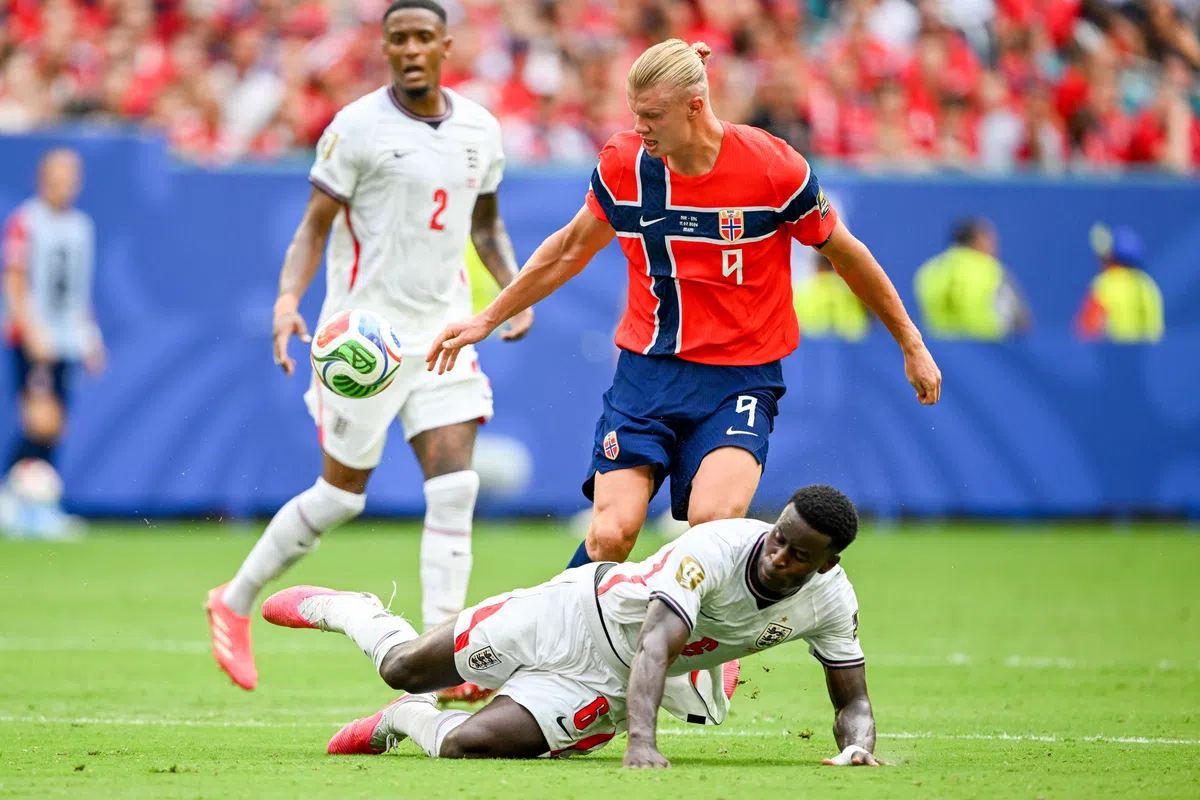
Several of the tournament favorites opt for controlled play and a reduced tempo. Analysis of the reasons – heat, physical management, calendar – and the tactical consequences observed by Pieter Zwart and Tim Reedijk.
Why it matters
The tendency of major nations like Argentina to slow down the tempo of play is crucial to their success at the 2026 World Cup. By adopting a more controlled tactical approach, these teams seek to preserve their energy in the face of climatic challenges and optimize their performance over the duration of the tournament. This effort management could prove decisive in reaching the final stages of the competition.
Context
Argentina, as reigning champion, is particularly attentive to the management of its squad and the adaptation of its tactics for the 2026 World Cup. The need to maintain a balance between performance and endurance could influence its choices of players and formations throughout the tournament.
Key points
- Why the major World Cup nations are voluntarily slowing down.
- Several of the tournament favorites opt for controlled play and a reduced tempo.
- Argentinië feature in the latest Coupe du Monde 2026 developments.
This approach manifests itself in a desire to control the ball, avoid rapid uncontrolled transitions and break the rhythm when the situation requires it. Rather than imposing constant pressing at all costs, these selections favor calm possession phases, systems that limit unnecessary sprints and fine management of recovery phases during matches.
Several factors explain this choice. The first, highlighted by analysts, is the physical environment of the tournament: sometimes trying conditions which force us to rethink energy expenditure. Heat and humidity increase the physiological cost of exercise; Slowing down the tempo is a way of reducing the number of intense efforts accumulated over 90 minutes and, above all, over the entire tournament.
Image
Then, the configuration of the calendar and the sequence of meetings require careful management of human resources. In the group stage as in the playoffs, keeping fresh players is a tactical and medical asset. This translates into measured rotations, targeted changes and strategic use of possession windows to control the pace of the match.
Behind this choice also lies a modern tactical reading: cutting the tempo can disorganize the opponent, reduce counter opportunities and force the other team to produce more effort to get back into the match. For selections with high technical profiles, imposing calm possession remains an effective weapon even if it can sometimes harm the spectacle.
This strategy has consequences on the outcome of matches and on public perception: some supporters regret less intensity, others understand the long-term imperative. For coaches, it is a compromise between collective requirements and individual preservation of players.
Finally, if the tendency to slow down the tempo is confirmed, it could permanently modify certain tactical readings in international competition: more teams could adopt a more pragmatic management of effort, especially in tournaments with difficult environmental conditions. Pieter Zwart and Tim Reedijk thus identify a fundamental evolution, where the science of football combines with strategy to maximize the chances of going far in the tournament.
The rest
As the tournament progresses, it will be interesting to see if other teams adopt this strategy of controlled play. Upcoming matches could reveal whether this tactic allows teams like Argentina to keep key players fit for the qualifiers. The tactical choices of coaches will also be scrutinized, particularly with regard to the management of squad rotations.
Frequently asked questions
Why are the big nations slowing down the tempo at the World Cup?
Big nations like Argentina, England, France and Spain are slowing down the tempo to preserve their strength and manage physical effort in grueling conditions.
Who confirmed this tactical trend?
This trend was confirmed by Pieter Zwart, echoed by Tim Reedijk.
Why is this tactical choice made now?
This choice is made now due to the physical conditions of the tournament, such as the
heat and humidity, which increase the physiological cost of exercise.
What are the main changes in team play?
Teams favor calm possession phases, limit unnecessary sprints and carefully manage recovery phases.
How does the tournament schedule influence this strategy?
The calendar and sequence of meetings encourage prudent management of human resources, favoring measured rotations and targeted changes.
Related Articles
Frequently asked questions
📰Related articles
- Merino takes advantage of Lammens error to deliver late victory
- Ghana: Carlos Queiroz resigns after only five matches at the
- Genich reacts to Haaland's double which allowed Norway
- 2026 World Cup: Donald Trump insists on reinforced control
- FIFA: Balogun's red card was not rescinded, suspension
- England: Rice, Guehi and Reece James back in training